



We see it all the time online: businesses and content writers all asking the same question: why isn’t my content ranking despite being well-written? Look, back in the day when Google was first getting to grips with the way it evaluates quality content, well-written content could definitely get a decent amount of attention, but in 2014, Google introduced what was initially the E-A-T principles (Expertise, Authoritativeness, and Trustworthiness), and how content performed and ranked changed.
The way that content was evaluated had another update in 2022, when ‘Experience’ was added to the lineup, creating the perfect recipe for Google’s automated systems to push content they deemed helpful, reliable and people-first.
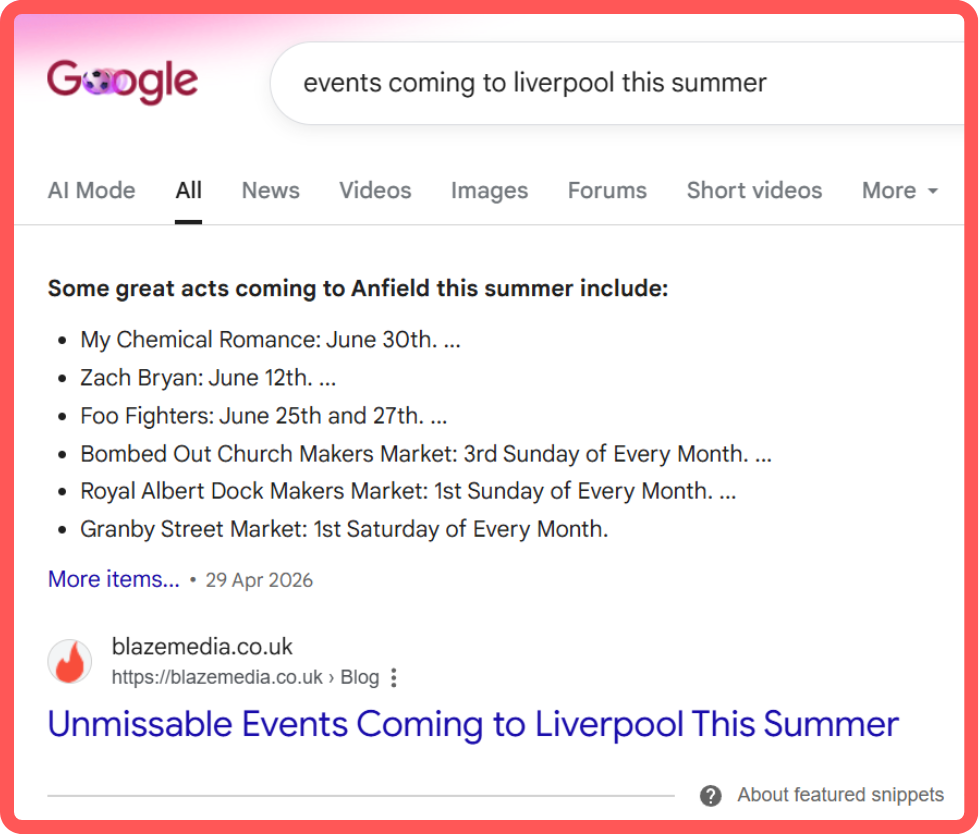
Though it might be hard to picture now, with how intelligent AI has become, there was a time period in which AI generated content was being pumped out when AI wasn’t very clever, and the internet became flooded with low-quality blogs that were not fact-checked, spread misinformation, and recycled inaccurate content, leading to a lack of reliability across searches that needed to be addressed.
At Blaze Media, we often talk about the importance of E-E-A-T when it comes to writing SEO optimised content, and in this guide, we will explain exactly what it means and why it matters more than ever in the post-AI content boom.
What is E-E-A-T?
If you regularly read our digital marketing blog (which you should), you’ll have likely heard us mention E-E-A-T principles countless times, but what do the letters in this very important acronym stand for, and why do they matter?
Experience
This is about showing real-world, first-hand personal experiences and knowledge, not just theory. For Blaze Media, that means referencing actual campaigns we’ve run, results we’ve achieved for clients, and insights drawn from doing the work day in, day out. Google wants to see that the person (or brand) behind the content created has genuinely been in the trenches, not just scraped together a blog post from other blogs.
When writing content, you need to make sure that you’re making your experience clear. For example, if you’re writing a blog about snorkelling, your content will likely perform better if you mention any experience you have in that sector.
Expertise
Expertise is about depth. It’s the difference between a surface-level overview, and high quality content that demonstrates a genuine understanding of the subject. For us, this shows up in technically accurate SEO content, well-researched industry insights, and the kind of detail that only someone who really knows their stuff would include. It signals to Google and to readers that we know what we’re talking about.
Expertise is crucial to well-performing content. It is easier than you might think to demonstrate, and it helps to separate those who understand what they’re talking about from those who don’t.
Authoritativeness
Authority is built over time, not overnight. It comes from third-party validation: other credible sites linking to you, your brand being cited, your team being recognised in the industry. For us, this is about building a reputation as the go-to digital marketing agency through consistent publishing, quality backlinks, client case studies, and showing up where it counts.
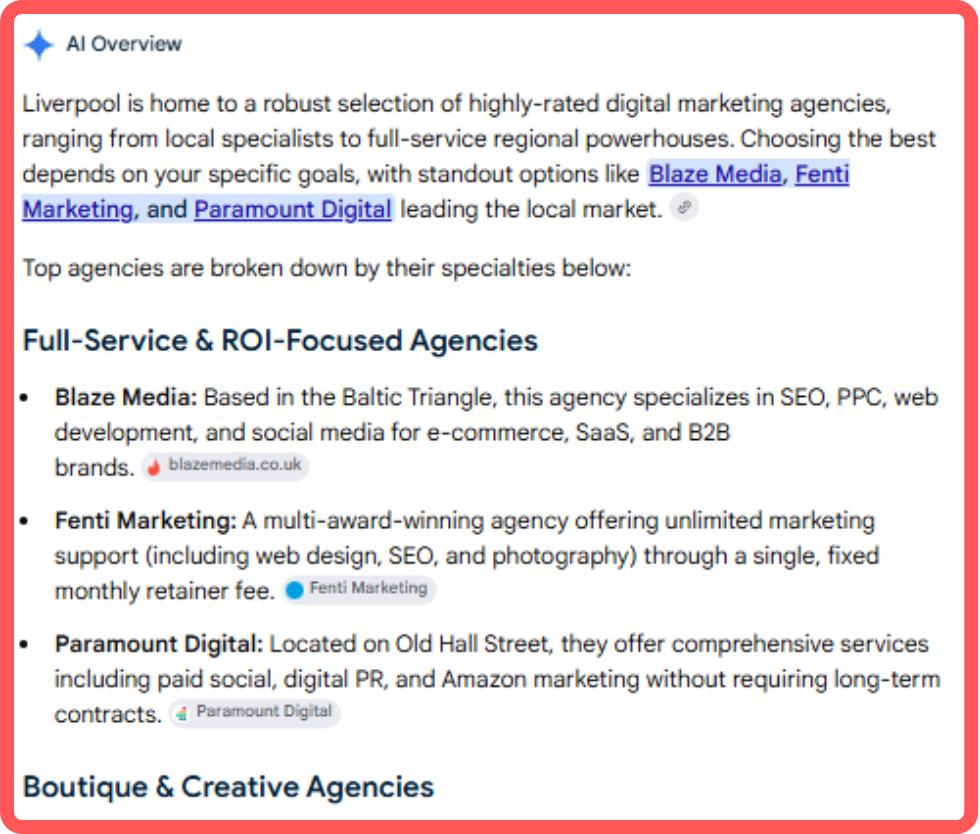
Through our years of experience and client success stories, we have been able to curate authority, which is something that we have also helped our clients demonstrate through expert copy, and we can do the same for you.
Trustworthiness
Google’s search algorithms have trust issues, especially in the age of AI.
Trust is the foundation on which everything else is built. This covers the technical stuff (secure site, accurate information, clear authorship) but also the human stuff: being transparent, not overpromising, and delivering content that actually helps people.
Trustworthiness is key as it means clients and Google know they’re in safe hands, and if you’re spreading misinformation, getting all your information from AI, or not triple-checking your content, it can significantly impact your likelihood of ranking long-term.
How to Demonstrate E-E-A-T on Your Site
Now that you know what E-E-A-T is, the big question is: how do you actually put it into practice? The good news is that demonstrating E-E-A-T isn’t some mystical process reserved for big brands with huge budgets. It’s about making intentional, consistent choices across your content and your website as a whole.
Show Your Face (and Your Credentials)
Author bios aren’t just a nice touch; they’re an E-E-A-T signal. If a blog post about tax planning is written by a qualified accountant, say so. If your SCUBA guide comes from someone who has actually been underwater, make that clear. Google wants to know there’s a real, qualified human behind the content, so don’t bury that information or leave it out altogether.
If you look closely at the top of all our blogs, you can see our lovely faces and our names. Though most of our blogs are primarily written by one person, when we need more in-depth content that’s specific to one department, we let that expert take the wheel and ensure that we make that clear.
Back up Your Claims
Citing credible sources, linking to original research, and referencing real data all go a long way in demonstrating expertise and trustworthiness. If you’re making a bold claim, prove it. Readers and Google both appreciate receipts.
Build Your Backlink Profile
Authority doesn’t come from declaring yourself an expert; it comes from others recognising you as one. Focus on earning backlinks from credible, relevant websites in your industry. Guest posting, digital PR, and producing genuinely share-worthy content are all solid ways to build this over time.
We know how important it is to build backlinks, but our advice is not to trust people in your inbox claiming they can get you great backlinks for a small price, as more often than not, this is just a scam. Let industry experts with the know-how do this for you.
Keep Your Content Accurate and Up to Date
Outdated information is a trust killer. If you published a guide three years ago and the landscape has changed significantly since then, update it. Google actively rewards content that stays current and relevant, and readers will quickly lose confidence in a site that’s presenting old stats as fact.
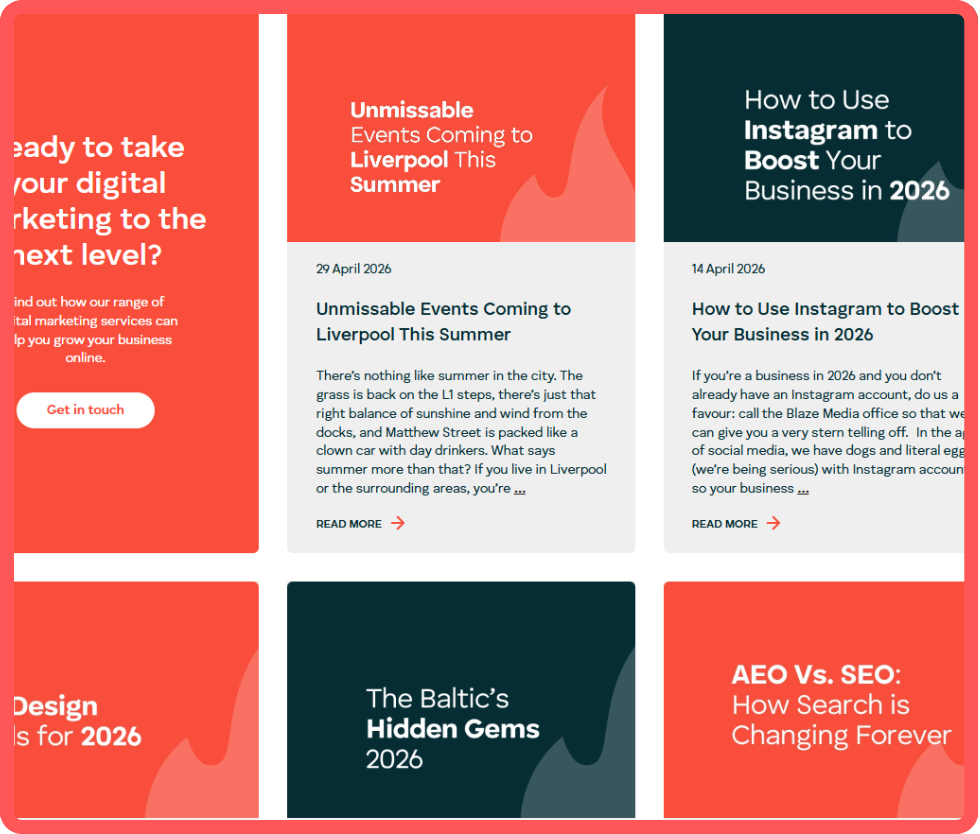
Sometimes, to achieve this, you have to be quick on your feet, and we have a real-life example where we have had to do this at Blaze. With the announcement of Claude Fable 5, we had content ready and waiting for our latest newsletter to talk about it, and within 24 hours, Fable 5 was pulled.
We could have published our original content, but that would have been outdated and discredited our brand, so we quickly updated it to reflect the changes. For more on how to use timely content to your advantage, take a look at our guide to newsjacking for SEO.
Make Your Site Technically Sound
E-E-A-T isn’t just about the words on the page. A secure site (HTTPS), clear contact information, a transparent privacy policy, and honest, accurate service descriptions all contribute to how trustworthy Google perceives your site to be. Think of it as the digital equivalent of a tidy, professional shopfront. If your site needs attention on this front, our web design and development team can help get it in shape.
Be Consistent
Perhaps the most underrated E-E-A-T strategy is simply being consistent. Publishing regularly, maintaining a consistent tone and standard of quality, and building a content archive that covers your niche in genuine depth all signal to Google that you’re a reliable, established presence, not a one-hit wonder.
Common E-E-A-T Mistakes
Even with the best intentions, a lot of businesses are shooting themselves in the foot with their E-E-A-T signals. Here are some of the most common mistakes we see, and why they matter more than you might think.
Publishing Unedited AI Content
We’re not going to pretend AI content doesn’t exist or that it’s inherently evil, because it isn’t. Used correctly, it can be a genuinely useful tool. The problem is when businesses use it as a shortcut, pumping out unreviewed, unedited content that reads like it was written by someone who has never set foot in the industry they’re covering.
Google is getting increasingly good at identifying thin, generic content, and readers aren’t far behind. If your blog could have been written by anyone about anything, congratulations, it’s basically worthless from an E-E-A-T perspective. Always have a human review, fact-check, and add genuine insight before anything goes live. Yes, every time.
Remember, AI is good, but human-created content is always better. AI should be the support system there to help you make content better, not your content lead. We will always recommend working with a copywriter with industry expertise and a proven track record of getting great results, as their content always achieves the best results.
Funnily enough, we have one of those at Blaze, and the word of the grapevine is that they’re open to supporting new clients who need a little help with their content strategy…
Hiding Author Credentials
If your content is written by someone with real expertise, why on earth are you keeping it a secret? Anonymous blog posts and vague “Admin” author tags are a missed opportunity at best and a red flag at worst.
Putting a name, a face, and a professional background to your content immediately adds credibility, both for Google and for the actual humans reading it. Your experts are one of your biggest assets. Start treating them like it.
No External Validation
You can talk about how brilliant you are until you’re blue in the face, but Google isn’t going to take your word for it, and frankly, neither are we. Authority is built through third-party recognition: backlinks from reputable sites, mentions in industry publications, client reviews, case studies, and press coverage.
If your site exists in a vacuum with nothing pointing to it from the outside world, that’s a problem worth addressing urgently. Building external validation takes time, but it’s one of the most impactful things you can invest in for long-term SEO performance. Take a look at our client case studies to see what this looks like in practice.
Outdated Information
Publishing a blog and never looking at it again is not a content strategy; it’s a gamble. Industries evolve, statistics change, and what was accurate two years ago might be actively misleading today.
If Google crawls your site and finds content stuffed with old data and stale advice, it’s going to have a hard time positioning you as a trustworthy, authoritative source. Build a regular content audit into your process so your existing posts stay accurate, relevant, and actually worth ranking.
At Blaze, something we have found to be incredibly effective for the performance of our content, and the content of our clients, is to go in every few months and make updates on existing copy to ensure all the information is correct, and we can do that for you too.
Work With an Agency That’s Already Mastered These Principles
Through this guide, you should now understand what E-E-A-T means and why it is so crucial when you are looking to create content that actually performs online. No matter how well-crafted the content you make is, if you ignore E-E-A-T principles, your content will never perform as well as it deserves.
Need help creating content that actually performs? You’re in the right place. At Blaze, we research, plan, write, and SEO optimise your content for you, so all you need to do is sit back and watch the results roll in.
Get in touch to find out how we can help you.