



As an ecommerce business owner, you know that you need to market your business in order to survive in such a competitive market. Knowing how is another matter entirely.
Being a business owner isn’t easy, and by not using the right avenues to market your ecommerce business, you’re never going to reach the heights you’d wish. Most ecommerce businesses have a great product but weak visibility, and a strong marketing strategy can change that.
Worry not, at Blaze Media we know a thing or two about marketing, and we’ve helped a number of ecommerce businesses get in front of the right audience and make real money. And because we’re feeling nice, here are some of our tips for marketing your ecommerce business.
Why Ecommerce Marketing is Different From Traditional Retail Marketing
When marketing your ecommerce business, you need a different approach than you would for a typical brick-and-mortar store. Unlike traditional businesses, you can’t rely on footfall, so you have to earn all your visibility digitally.
You’re also competing on a much bigger scale. Say you had a shop on a high street in a small town: you’re only competing with businesses in the area. But with an ecommerce business, you’re competing with millions of businesses across Google, socials, and marketplaces simultaneously, so you need to stand out.
People think that these days you can just throw a TikTok up, go viral and then sell a million units of whatever you’ve got on offer, but the reality is that you’re contending with short attention spans, cart abandonment and the dreaded words: ‘you can get that cheaper on Shein or TikTok Shop’.
That is why a strong digital marketing strategy matters, but it’s more than posting a couple of product pictures on Instagram; it’s a full-scale operation.
Not convinced? Here are some of the ways you should be marketing your ecommerce business.
SEO for Ecommerce
SEO, also known as Search Engine Optimisation, is a big one for ecom stores. A strong SEO strategy drives high-intent organic traffic directly to your product and category pages, ensuring people who will actually buy your products can find them.
Having a strong SEO strategy is even more important in the age of AI search updates, which are already impacting website performance across sectors.
A good SEO strategy includes:
Product Page Optimisation
Many ecom businesses neglect to optimise their product pages. This means planning titles, meta descriptions and thinking about structured data.
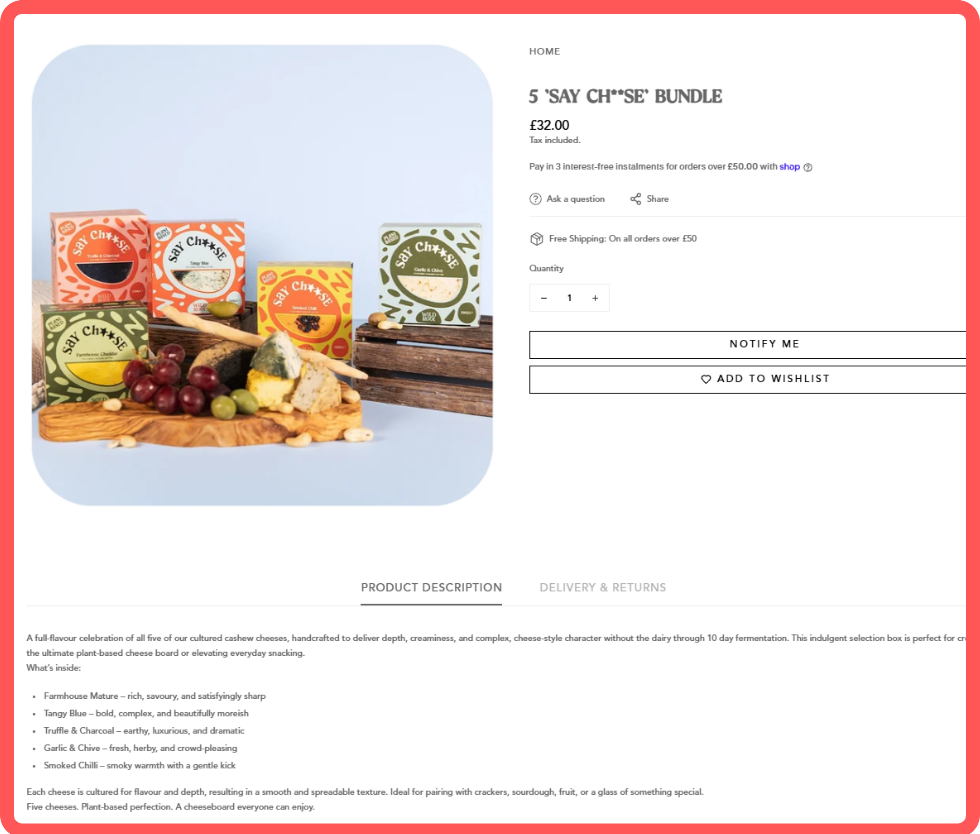
All of the above (and more, if you’d believe it) helps Google find and show your page to the right shoppers, because you can’t sell products if people can’t find them. If you can cleverly use high-ranking, high-intent keywords throughout your product pages, you’re basically serving your product on a platter for buyers looking for what you have on offer.
Make sure your product pages have high-quality visuals, a clear call-to-action button, benefit-driven descriptions, and customer reviews where possible, as this builds trust and gets you in front of the right people.
Category Page Structures and Internal Linking
Search engines are smart, but even they need a bit of guidance sometimes, as do customers.
By organising your category pages properly, you can provide that guidance. Focus on heading structure, a descriptive introduction, subcategory navigation tiles, and a strong internal linking structure to help visitors find items relevant to their search.
Organisation is key, so group similar products together to help clients navigate faster. Link related products, as this helps search engine bots discover new or deep pages quickly and gives weaker, or less popular, product pages a share of the ranking power.
And if all this feels like we’re speaking another language, this is your sign that you need an SEO team on your side to give you a helping hand.
Copy
The unsung hero of SEO (there’s no bias here from the copywriter writing this, we swear). Good copy not only helps search engines understand your product pages but also plays a crucial role in converting visitors into buyers. When Google leads potential customers to your site through relevant search terms (embedded in your website content), persuasive copy can ultimately convince them to make a purchase.
Successful ecommerce copy has to cleverly weave in keywords to herd people to your page, then tell buyers exactly why they need it. Copywriters aren’t just describing what a product is; they’re highlighting how it can change lives for the better and why someone can’t click away from the page without making a purchase.
While other aspects of marketing lead customers to your site, it’s the job of good, persuasive copy to actually convert these visitors into buyers.
Finding a good copywriter to help you work on your website can be difficult, but fortunately if you’re reading this blog, you’ve already stumbled upon one.
Paid Advertising
SEO is brilliant, but it’s a long game, and sometimes you need results now, not later. That’s where paid advertising comes in, and if done properly, it can be one of the fastest ways to get your products in front of people who are ready to buy, though at Blaze, we’d say there’s no harm in using SEO alongside ads for the best long-term results and growth.
Google Shopping and Search Ads
Google Shopping ads put your product, price and image directly in front of someone who’s already typed exactly what they want into a search bar. No warming up needed; they’re already halfway to purchase, so you just need to make sure they see your product first. Search ads work similarly, but they let you target the specific keywords and phrases your ideal customer is using, so you’re not wasting money on people who were never going to buy in the first place.
Search intent is always something to consider, because sometimes the people searching prime words related to your business aren’t looking to buy; they’re looking for information (which is why SEO and Paid Advertising go hand in hand).
The key with both is proper feed optimisation and tight keyword targeting. A messy product feed or badly matched keywords will burn through your budget fast without giving you much to show for it.
Meta and Instagram Ads for Product Discovery
While Google Ads tend to catch people who already know what they want, Meta and Instagram ads are brilliant for reaching people who don’t know they want your product yet.
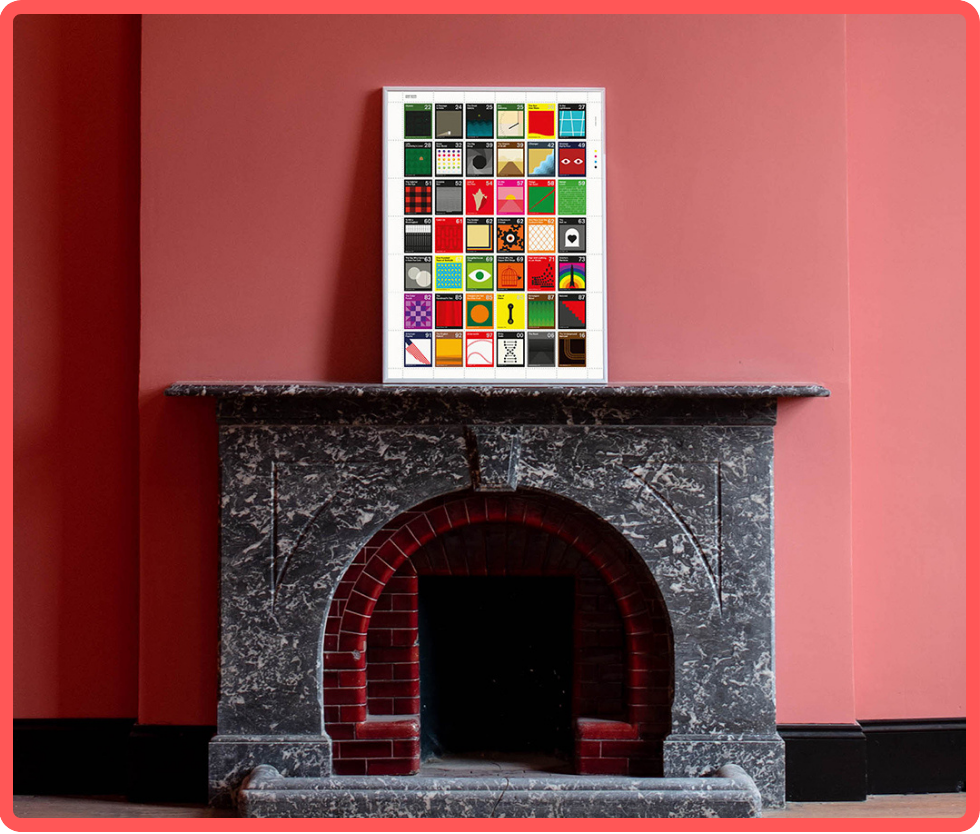
This is where good creative matters most. Scroll-stopping visuals, short-form video and social proof (think user-generated content and reviews) all help your product feel less like an ad and more like something worth paying attention to.
Meta’s targeting also lets you build lookalike audiences based on your existing customers, so you put your budget toward people who resemble your best buyers, rather than casting a wide net and hoping for the best.
Retargeting Abandoned Carts and Browsers
Here’s a fact that should keep every ecommerce owner up at night: most people who land on your site won’t buy on their first visit. They’ll browse, add to basket, get distracted by a phone call or a better offer elsewhere, and leave. Retargeting is how you bring them back and should be a crucial part of your strategy.
Whether it’s a simple reminder ad showing the exact product they left behind, or a nudge with a small incentive to complete the purchase, retargeting keeps your brand front of mind at the point they’re most likely to convert.
It’s some of the most cost-effective advertising you can run, because you’re speaking to people who’ve already shown genuine interest, not cold audiences you’re trying to convince from scratch.
Budget Allocation Across Channels
There’s no universal formula for splitting your ad spend, and anyone who tells you otherwise is probably trying to sell you something. The right allocation depends on your product, your margins and where your customers actually spend their time.
That said, a sensible starting point is to weight spend towards the channels already proving themselves, whilst keeping a portion aside to test newer ones. Search and Shopping tend to work well for capturing existing demand, Meta and Instagram are strong for generating it, and retargeting should always get a slice, since it’s usually where you’ll see the best return for the least outlay.
Track performance closely and be prepared to shift budget as you learn what’s actually driving sales, rather than sticking rigidly to a plan made before you had any real data.
With changes to how your budget is allocated across Google, now is a good time to work with an agency who can help you navigate major changes.
Website
So, you likely already have a website, but if you haven’t seen the results you were hoping for, could your website be letting you down before people even have a chance to see what you’ve got on offer?
The Design
The design of your ecommerce website is incredibly important, and it completely shapes a buyer’s first impression within milliseconds of them clicking on your site. With endless websites across search engines, you have a lot to compete with, and if someone looks at your site and thinks it’s subpar, they’ll think your products are too and move on to a site that looks good and that they feel they can trust.
It’s like going to a job interview with unbrushed hair; sure, you might have what they’re looking for, but it’ll be hard for them to forget the hair.

You also have to think about how people shop in 2026. When people want to make a purchase, they’re much more likely to do it on their phones, so you need to make sure that the design you have for desktop can seamlessly convert to mobile and still look good. A good web design can make all the difference for the success of your ecom site.
User Journey
The user journey is crucial to the success of your ecommerce business. When you work with a web designer and developer, they will understand the potential friction points where buyers will abandon their purchases and ensure that your website is designed to prevent this.
A smart developer knows the exact journey your customers will take and how to make this journey as efficient as possible so that they can reach checkout without issues or off-putting obstacles. As soon as there is a delay in the user journey, that’s a chance for them to click off your site, and that’s the last thing you want.
You want to ensure that nothing on your site is hidden, everything is easy to navigate, and everything has been designed with user experience in mind, which is exactly what a quality web design can do for you.
Checkout
Even if someone falls in love with your products and sails through your site with zero friction, a clunky checkout can undo all of that hard work in seconds. This is the final hurdle, and it needs to be the easiest part of the whole process, not the moment your customer decides it’s all too much of a bother and abandons their basket.
Think about how many steps you’re asking someone to take before they can hand over their money. Every extra field, every forced account creation, every page that makes them stop and think is a chance for them to change their mind.
The best checkouts feel almost invisible, guiding people through without making them work for it.
You should also offer a range of payment options. Not everyone wants to pay by card, and if someone’s ready to buy but can’t find PayPal, Apple Pay, or their preferred method, you risk losing that sale to a competitor who offers it.
Email Marketing
Email marketing is an underrated marketing tool for ecommerce businesses, but from our experience, it’s one of the most valuable tools you can use. We’ve seen the power of a strong email marketing strategy, with some clients making hundreds from email alone every month.
Some of the ways that you can use email marketing for your ecommerce business include:
Welcome and Showcase of Products
As soon as you get a sign-up to your site and someone has clicked that little arrow that says they want to receive email marketing, it’s go time. Your first move should be to send emails in the first week that introduce your brand, showcase your products, and give your business personality. At this point, it’s often a good idea to offer a first-time discount to thank them for their purchase and encourage more purchases.
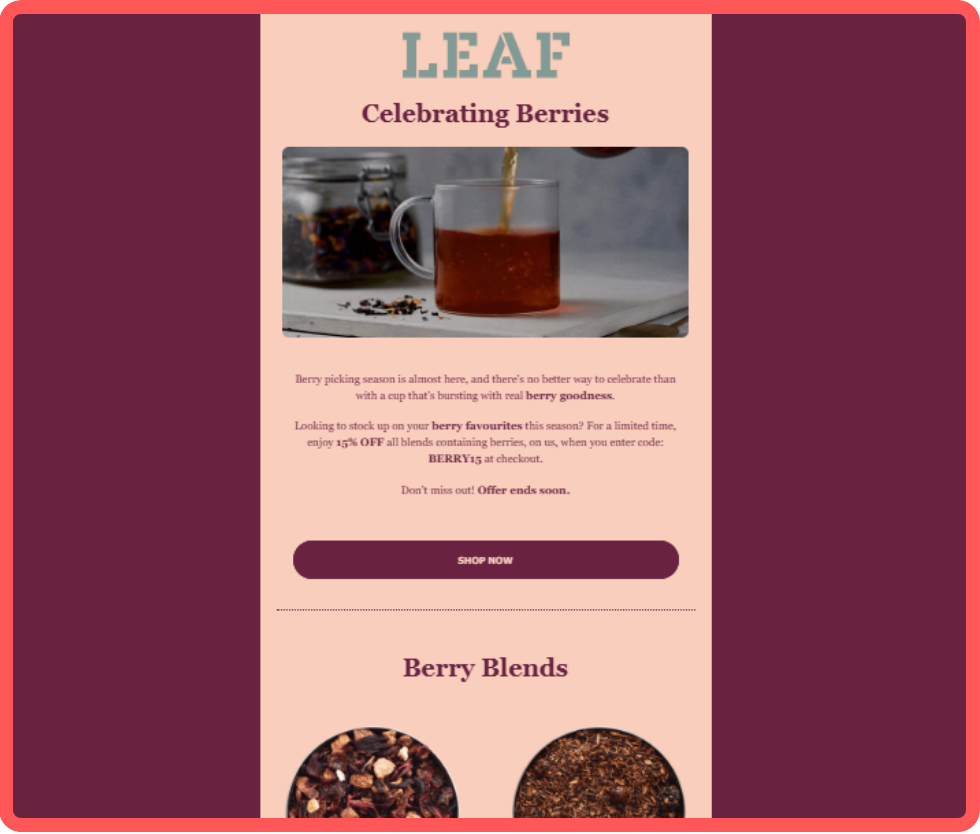
First impressions are everything, especially when you want someone to make a purchase from your business, and if a customer feels as though they’re getting thanks for supporting your business, they’ll be more inclined to do it again.
Abandoned Carts
There’s nothing worse than getting that abandoned cart notification, but an abandoned cart doesn’t necessarily mean that the customer doesn’t want to make a purchase. Anything could have happened, from low battery to poor internet, but often when a customer forgets to check out, they don’t come back, with abandoned carts having a return rate of just 10-30%.
Email marketing is a great way to try and get these customers back to finish their purchase. Use persuasive copy and a strong product description that explains exactly why they need the product.
You can send multiple abandoned cart emails if the first one doesn’t work; you could even throw in a cheeky discount to bring the customer back. Email marketing lets you connect with your customers in a way you can’t with your site and can be the difference between a one-off sale and a loyal customer.
Post-Purchase
Turning one-time buyers into repeat customers is something that every ecommerce business aims to achieve. By creating post-purchase sequences, you can build customer trust, reduce buyer’s remorse and drive future sales.
After a purchase, promptly send an order confirmation with clear receipt details and tracking information to avoid unnecessary waiting. Additionally, keep customers informed throughout every stage of the delivery process. This approach builds trust by reducing the client’s mental burden and reassuring them that you are there to support them at each step.
Win-Back Campaigns
Every ecommerce business has customers who go quiet, and win-back campaigns are your chance to remind them why they signed up in the first place. If someone hasn’t purchased in a while, a “we miss you” email with a personalised offer can be enough to bring them back.
Segment these customers by previous purchases or browsing history so the email feels tailored, not generic.
Timing matters here too. Sending a win-back email too soon can feel pushy, while leaving it too long means you’ve likely lost the customer for good. Test different intervals to find what works for your audience, and don’t be afraid to ask directly what would bring them back, whether that’s a discount, new product launches, or simply a reminder of what they loved about your brand.
Social Media
Social media is where your customers spend their time browsing, discovering new brands, and making purchase decisions, so it’s essential your ecommerce business shows up there with intention rather than just posting for the sake of it.
Platform Selection Based on Product Type
Not every platform suits every product. For example, you’re not going to be marketing your neon foam party outfit shop on LinkedIn.
Visually driven products like fashion, homeware, or beauty tend to thrive on Instagram and Pinterest, where the focus is on strong imagery and aspirational content. More playful or trend-led brands often see better engagement on TikTok, particularly with a younger audience who respond well to short-form, authentic video content.
B2B or more technical products, on the other hand, may find LinkedIn a better fit. Rather than spreading yourself thinly across every platform, focus your energy on the one or two where your customers actually are.
This is another example of when working with an agency can make a world of difference, as they can help you identify where your business is the best fit.
User-Generated Content and Reviews
Customers trust other customers more than they trust brands, which is why user-generated content is so valuable. Encourage buyers to share photos or videos of your products in use, and don’t be shy about resharing this content across your own channels. Reviews work in much the same way; displaying genuine feedback, whether on your website or social pages, builds credibility and reassures potential buyers that they’re making the right choice.
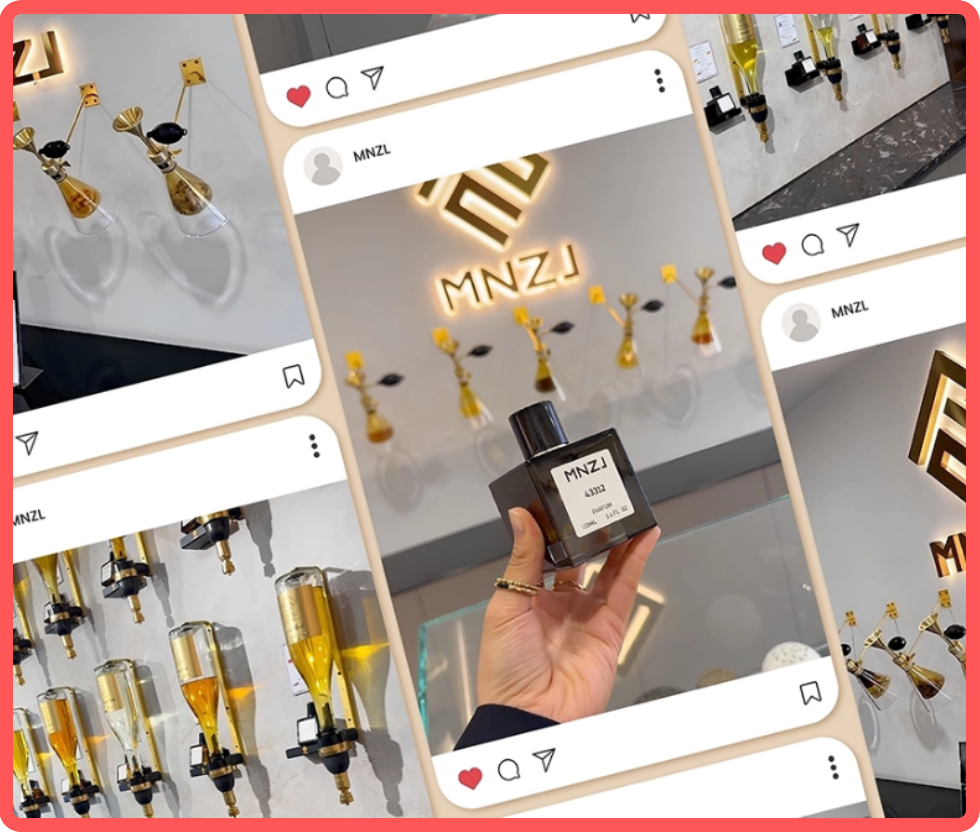
Influencer and Affiliate Partnerships
Partnering with influencers or affiliates who align with your brand values can introduce your products to a wider, more relevant audience. This doesn’t always mean working with big names either; micro-influencers with smaller, more engaged followings often deliver better results and are more cost-effective. Affiliate partnerships work similarly, rewarding people for driving sales, so the cost is tied directly to performance rather than upfront spend.
Though this can be incredibly beneficial to your business, you have to be extremely careful when it comes to selecting influencers to work with, as one bit of bad publicity for them could have a huge impact on your business.
Measuring What Matters
It’s easy to get caught up in vanity metrics like follower counts or likes, but these don’t necessarily translate into sales. Instead, focus on metrics that reflect actual business impact, such as click-through rate, conversion rate, and return on ad spend. Regularly reviewing this data allows you to understand what’s genuinely working and adjust your strategy accordingly, rather than continuing to invest in content that looks good but doesn’t perform.
When you’re running a website, understanding impressions, traffic, engagement and other metrics can be incredibly difficult, which is another area where an agency can help.
At Blaze, we translate often confusing metrics into easy-to-understand, actionable steps forward, with the goal of helping your business grow.
Why Ecommerce Marketing Works Best as a Holistic Strategy
None of these strategies works in isolation, and they all work together to move a customer from first discovering your brand to becoming a loyal, repeat buyer.
An ecommerce business that treats these channels as separate, siloed efforts often misses opportunities, such as using social proof gathered from reviews in an abandoned cart email, or promoting a win-back campaign through a retargeted Google ad. When your marketing channels talk to each other and reinforce the same messaging, customers get a more consistent experience, and that consistency is often what turns a one-off purchase into long-term brand loyalty.
Market Your Ecommerce Business With Blaze Media
Through this guide, you should now better understand how to market your ecommerce business, and if all that we’ve covered feels like a lot (because it is), that’s proof you need a full team on your side.
At Blaze, we don’t just have one person taking care of all the marketing needs of a business; we have a full team, all with years of experience in their respective speciality and when you’ve got a team comparable to the Avengers on your side, there are no limits in what can be achieved.
Get in touch with our team to find out how we can help you.